
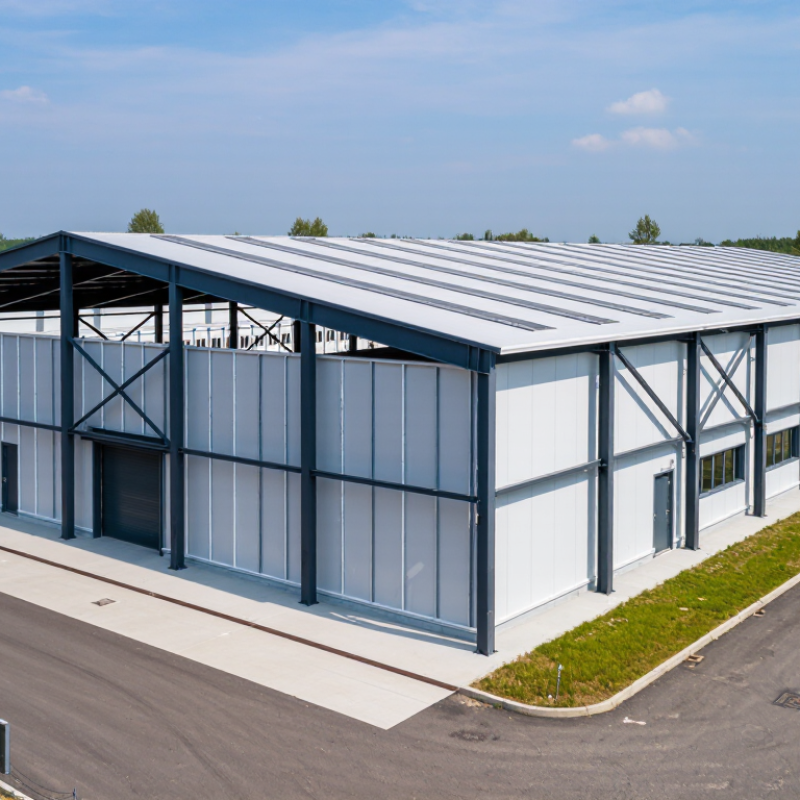
Comparing steel prefab buildings starts with the building’s purpose, not its advertised price. A warehouse may need clear spans, forklift clearance, and fast enclosure. A workshop may require heavier floor loads, ventilation, and crane support. For offices or housing, thermal breaks, acoustic insulation, daylight, and fire-rated assemblies matter more. Ask for stamped structural calculations, connection details, corrosion protection, and tested fire performance. A low quote means little if the foundation or insulation package is incomplete.
Speed is valuable, but measure it carefully. The Modular Building Institute reports that off-site construction can reduce site activity and improve schedule control, although transport and crane access can erase those gains. Compare total installed cost, including engineering, permits, foundations, delivery, erection, utilities, and future maintenance. The World Steel Association reported approximately 1.89 billion tonnes of crude steel production in 2023. Steel is abundant, but its environmental impact remains significant. The International Energy Agency identifies iron and steel as responsible for roughly 8% of global energy-related emissions. Ask whether the design uses recycled content and allows future disassembly.
Climate changes the decision. In coastal areas, specify stronger corrosion protection and inspect fasteners regularly. In snowy regions, verify drift loads rather than relying on average snowfall. For hot climates, reflective roofing and continuous insulation can reduce cooling demand. I would also compare warranty exclusions and repair response times. They are easy to overlook. My own mistake would be judging only the frame; doors, seals, drainage, and interior finishes often decide long-term performance. A technically strong building can still fail its purpose when users cannot expand, ventilate, or maintain it efficiently.