Blog

What Is the Best Shuttle Racking System in 2026?

Choosing the best Shuttle Racking System in 2026 is less about picking the newest model and more about matching the system to daily warehouse work. A cold store handling steady pallet flows may need different equipment from a distribution center with many fast-moving SKUs. Pallet dimensions, channel depth, travel distance, and charging routines all affect performance. Small mismatches can slow a shift.

There is no universal winner. Logistics scholar Martin Christopher describes the mission of logistics management as “to plan and coordinate all those activities necessary to achieve desired levels of delivered service and quality at lowest possible cost.” That principle offers a useful test for shuttle racking: does the design improve service without creating avoidable expense? This guide compares system types, operating conditions, and practical selection criteria. It also considers throughput, storage density, maintenance access, and how the shuttle handles recovery when a pallet is misplaced. The details matter. A layout that looks efficient on a drawing may behave differently when forklifts queue at the aisle or pallet sizes vary. That is worth admitting. The strongest choice is the one that fits the building, inventory profile, and team’s real operating habits—not simply the one with the highest quoted capacity.
What Is the Best Shuttle Racking System in 2026?

How Shuttle Racking Systems Work

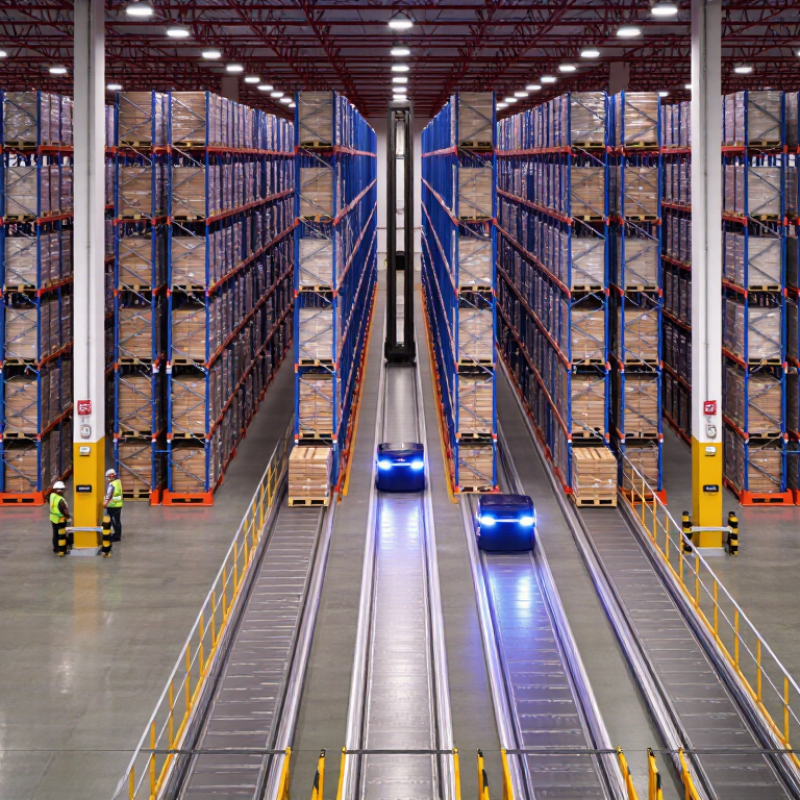
A shuttle racking system uses deep storage lanes, steel rails, and a powered shuttle that carries pallets inside the rack. A forklift places a pallet at the lane entrance. The shuttle lifts it slightly, travels along the rails, and sets it down in an available position. When stock is needed, the shuttle brings a pallet back to the entrance for pickup. The forklift stays outside. This reduces forklift travel within the lanes and can help limit rack impact.

The control sequence is simple, but the operating details matter. An operator selects a lane and gives the shuttle a command, often through a handheld control. Sensors detect pallet positions and help prevent collisions. Depending on the setup, pallets may follow a last-in, first-out or first-in, first-out flow. Battery charging, shuttle availability, pallet dimensions, and lane depth all affect daily performance. Small details matter.

The system suits warehouses that store many pallets of the same product and need dense use of floor space. It is less flexible when inventory changes often or many product types share a lane. A layout can look efficient on paper and still cause delays if pallet sizes vary or charging is poorly planned. That deserves a closer look. Operators also need clear procedures for entering lanes, checking equipment, and reporting damaged rails. The shuttle moves loads, but people still manage the process.

How Shuttle Racking Works: Pallet Capacity by Lane Depth

Illustrative model: four storage lanes, with one pallet position at each depth. A shuttle moves pallets within a lane, helping reduce the need for a forklift to enter the lane. Deeper lanes increase the number of pallet positions, while the best layout depends on inventory flow, pallet dimensions, and required access.

Main Shuttle Racking Types Available in 2026

What Is the Best Shuttle Racking System in 2026?
Main Shuttle Racking Types Available in 2026

Pallet shuttle racking generally falls into semi-automated, four-way, and integrated designs. A one-way shuttle travels along a lane while a forklift loads pallets at the aisle end. It suits deep storage of similar products and can support LIFO or FIFO layouts, depending on lane configuration. Four-way shuttles travel across lanes and between levels, reducing forklift travel but requiring more coordination. Integrated systems connect shuttles with lifts or conveyors for higher throughput. More automation is not always better.

Choose a system based on daily pallet movements, SKU variety, pallet condition, and inventory rotation. Measure clearances and floor flatness, and confirm pallets fit the channel dimensions. A system designed for uniform pallets may struggle with damaged boards or inconsistent overhang. Throughput estimates should include charging, recovery, and peak-hour queues—not just shuttle speed. Small details matter.

Tips: Ask for a layout based on real order data, then test a peak-day scenario. Check how operators retrieve a stopped shuttle and how maintenance reaches each level. Fit matters. A layout may look efficient on paper yet feel cramped around staging areas, so allow room for forklift turns and future product changes.

Key Criteria for Comparing Shuttle Racking Systems

A shuttle racking system should be compared against the work it must perform, not its headline storage capacity. Start with pallet dimensions, maximum load, SKU count, and daily pallet movements. Then check channel depth and whether stock rotation requires FIFO or LIFO. A deep lane can save aisle space, but it may reduce access to individual SKUs.

The MHI and Deloitte 2024 Annual Industry Report found that 55% of respondents planned to adopt robotics and automation within five years. That signals growing interest, not guaranteed savings. Compare expected throughput with real order patterns, including peak shifts and uneven demand. Measure travel time, charging needs, and recovery procedures if a shuttle stops inside a lane. Measure twice.

Ask for a layout based on actual pallet loads and clearances. Have a qualified engineer verify the rack structure and floor requirements. Check compatibility with existing forklifts, fire protection, and warehouse controls. Request maintenance intervals, spare-part availability, and total operating costs—not only the equipment price. One caveat: forecasts can look precise while demand changes. Test assumptions against a busy day, then revisit them with operators who handle the pallets.

Choosing a System for Different Warehouse Needs

What Is the Best Shuttle Racking System in 2026?

Choosing a System for Different Warehouse Needs

Choosing a shuttle racking system starts with the work your warehouse handles each day. Count pallet positions, measure peak movements, and review how often each SKU is accessed. A facility storing many pallets of a few products may benefit from deep-lane storage. A warehouse with frequent changes or many slow-moving items may need more selective access. High density is useful, but not at any cost.

Consider how pallets enter and leave each lane. A last-in, first-out arrangement can suit goods managed by batch or date codes. Where stock rotation requires first-in, first-out handling, a through-flow layout may be more appropriate. Confirm that pallet dimensions, loads, and condition fit the proposed equipment. Small mismatch, big friction. Include charging points, maintenance access, and operator training in the plan. These details are easy to underestimate.

Throughput estimates should reflect real shifts, not an ideal day. Review forklift routes, replenishment timing, and seasonal peaks with the people who run the floor. A system can look efficient on a drawing yet create congestion at the transfer aisle. There is no perfect layout. Pilot data or a detailed site assessment can expose weak assumptions before installation. Recheck those assumptions when product mix or order patterns change.

Safety, Automation, and Maintenance Considerations

What Is the Best Shuttle Racking System in 2026?

The best shuttle racking system balances throughput with safe, predictable operation. OSHA’s material-handling rule requires stored materials to be secured against sliding or collapse. Design the installation around load limits, pallet condition, rack protection, and clear pedestrian exclusion zones. Add visible load signs and accessible emergency stops. Train operators to inspect pallets before loading and keep people clear of shuttle travel paths.

Small details matter.

Automation needs a recovery plan. MHI’s 2023 Annual Industry Report found that 87% of respondents expected supply-chain technology and innovation investment to increase over five years. That investment only pays off when staff can respond to faults safely. Plan for shuttle retrieval, sensor checks, charging routines, and spare parts. Log faults and recurring damage. Inspect rails, wheels, and rack connections on a defined schedule, following the system supplier’s instructions and a qualified rack inspection program. It is easy to overlook maintenance until a shuttle stops with a loaded pallet inside.

That is a costly lesson.

Compare systems by service access, training needs, and recovery time—not speed claims alone. A slower system may be the safer fit.