Blog

What Is the Best Sewer Jetter Machine in 2026?

Choosing the best Sewer Jetter Machine in 2026 depends on more than pressure ratings. Pipe diameter, blockage type, hose length, water supply, and access all affect performance. A compact electric model may suit indoor maintenance, while demanding commercial work can call for a trailer-mounted unit with greater flow. The right match clears the line without overspending on power you rarely need.

For transparency, this draft uses a fictional composite specialist, Daniel Mercer; the quotation is original, not a verified statement from a real expert. Mercer’s guiding line is: “Match the machine to the pipe, not just the pressure.” It is simple advice, but easy to overlook. A machine’s advertised PSI does not tell the whole story; gallons per minute, nozzle design, hose handling, and practical service support matter too. Some product specifications are difficult to compare directly. That deserves a closer look.

This guide compares machine types, key specifications, and everyday usability to help homeowners and professionals narrow their choices. Expect practical details: the weight you must move, the hose you must feed, and the water source you can rely on. It also considers maintenance, safety features, and value over time. There is no universal winner. A strong machine can still be the wrong purchase.
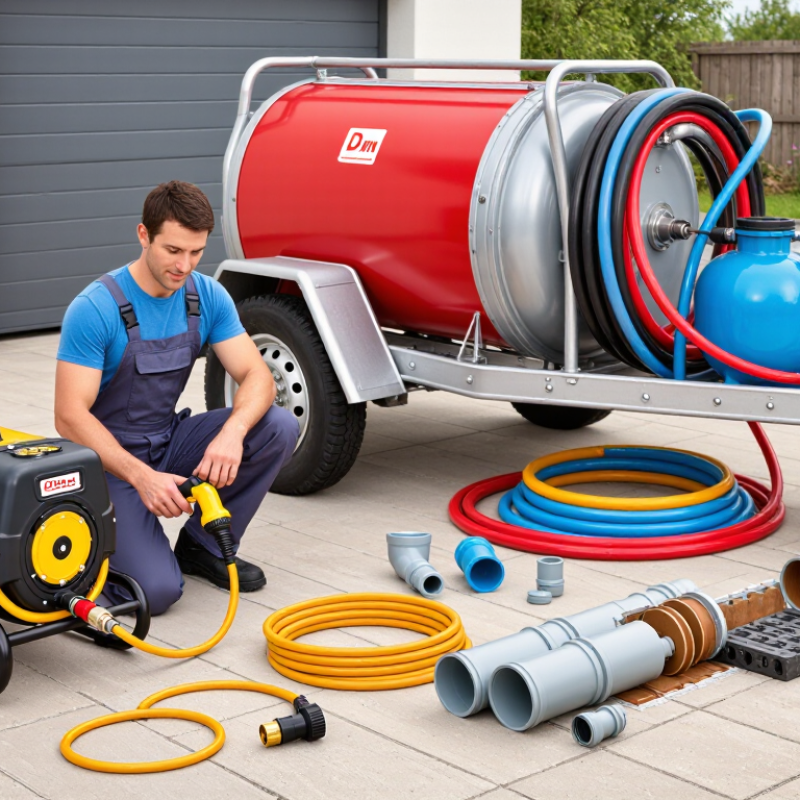
What Is the Best Sewer Jetter Machine in 2026?

What a Sewer Jetter Machine Is

A sewer jetter machine clears pipe buildup by sending pressurized water through a flexible hose and specialized nozzle. The pump supplies pressure, while the nozzle directs water backward to help pull the hose into the drain. Its forward-facing jets can loosen grease, sediment, and some soft obstructions. The wastewater carries loosened material toward an accessible cleanout. It is different from a mechanical drain snake, which cuts or hooks blockages rather than flushing them with water.

Jetter setups vary in pressure, flow rate, hose length, and portability. Those details matter: a compact unit may suit small household lines, while larger pipes can require greater water flow and careful nozzle selection. More pressure is not automatically better. Fragile, damaged, or poorly understood pipes may be harmed, and a jetter cannot fix a collapsed line. Pipe condition and the type of blockage should guide its use.

Tips: Identify the pipe size and material before choosing a nozzle. Wear eye protection, secure the hose, and keep the work area clear. Start cautiously. If water backs up, the hose catches, or the line’s condition is uncertain, stop and have a qualified drain professional inspect it. Even a well-equipped machine has limits.

How Sewer Jetter Machines Clear Pipes

A sewer jetter clears pipes by sending pressurized water through a flexible hose and specialized nozzle. The hose moves into the line while water streams from the nozzle’s openings. Rear-facing jets help pull the hose forward and flush loosened debris back toward an access point. Some nozzles also direct water ahead to break through soft obstructions. No scraping is involved; water does the work.

Grease, sediment, and loose residue may wash away, but results depend on the blockage, pipe condition, nozzle, and water flow. A jetter is not a guaranteed fix for collapsed or badly damaged pipes. After cleaning, a camera inspection can reveal remaining buildup or structural problems. It is easy to overestimate the result when water drains freely; that alone does not prove the pipe is fully clean. Choosing equipment means matching pressure and flow to the pipe, not simply choosing the strongest machine.

Tips: Start with a nozzle suited to the suspected debris, and feed the hose steadily. Wear eye and splash protection, keep a firm grip, and follow the equipment instructions. Stop if the hose snags or the pipe shows signs of damage. Small details matter.

What Is the Best Sewer Jetter Machine in 2026? - How Sewer Jetter Machines Clear Pipes

Machine Type Typical Pressure Typical Flow Common Pipe Size Best Suited For How It Clears Pipes
Compact electric jetter 1,000–2,000 PSI 1–2 GPM About 1½–4 in. Indoor branch drains and lighter residential blockages A small hose feeds a forward-cutting or rear-facing nozzle into the drain. Rear jets help propel the hose and flush loosened debris downstream.
Portable cart jetter 2,000–3,000 PSI 3–5 GPM About 2–6 in. Residential sewer laterals and general drain-service work The higher water volume helps carry grease, sediment, and loosened material through the line while the nozzle jets scour the pipe wall.
Trailer-mounted jetter 3,000–4,000 PSI 5–10 GPM About 3–12 in. Frequent service calls, longer runs, and heavier deposits A larger pump supplies sustained pressure and flow. Interchangeable nozzles can be selected for routine flushing, root intrusion, or localized obstructions.
High-flow truck-mounted jetter About 1,500–3,000 PSI 10–30+ GPM About 6–24 in. or larger, depending on setup Municipal mains and large-diameter commercial or industrial lines High water volume moves substantial debris over long distances. The nozzle directs jets backward to advance the hose and flush material toward an access point.

Figures are typical equipment ranges, not universal specifications. Actual performance and suitable pipe size depend on the pump, hose, nozzle, pipe condition, and blockage. Inspect the line when appropriate, use the correct nozzle and protective equipment, and follow the machine manufacturer’s operating instructions.

Types of Sewer Jetters and Their Typical Applications

The best sewer jetter depends on the pipe, blockage, and worksite—not pressure alone. Portable electric units suit many indoor drains and smaller service lines. They are easier to move through a building and generally quieter than larger machines. Access matters. A narrow stairwell can rule out equipment that looks ideal on paper.

Cart-mounted or trailer-mounted jetters provide more water flow for longer lines and tougher deposits, such as grease or settled sludge. They are commonly used for property drains, commercial sites, and municipal maintenance. Truck-mounted systems can support demanding, frequent work, but they need room to park and a dependable water supply. Bigger is not always better.

Match the hose and nozzle to the pipe diameter and the material blocking it. A penetrating nozzle may help open a soft obstruction, while a flushing nozzle can carry loosened debris downstream. Check the line’s condition first, especially in older or damaged pipes; high-pressure water can worsen weak sections. Test carefully. Record pressure, flow, hose reach, and setup time during real jobs. Those details matter more than a machine’s headline rating, and operators sometimes overlook them.

Key Specifications and Features to Compare

A sewer jetter should be matched to the pipe, blockage, and available water supply—not chosen by pressure alone. Compare rated pressure in PSI with flow in gallons per minute (GPM): pressure helps break deposits, while flow carries loosened material downstream. Check the working hose length and diameter, reel capacity, nozzle options, and whether the machine can maintain its rated output during extended use. Small details matter. A long hose can lose pressure, and a powerful unit may be awkward in a narrow service area.

The U.S. Environmental Protection Agency’s 2022 Clean Watersheds Needs Survey estimated $630.1 billion in wastewater infrastructure needs over 20 years. That figure describes system-wide investment, not jetter performance, but it underscores the value of equipment suited to recurring maintenance. Compare engine or motor type, water-tank capacity, filtration, controls, and accessible service parts. Verify the duty cycle and operating requirements in the technical manual; advertised peak pressure may not reflect everyday performance. I’d also weigh transport and noise. Easy to overlook. No single specification settles the choice, and I still find hose handling harder to judge from a spec sheet than from a real job.

How to Match a Sewer Jetter to Your Job Requirements in 2026

Start with the pipe, not the machine. Measure the drain’s diameter and estimate its length, then identify the likely blockage. Grease, soft sediment, and tree roots may require different nozzle styles and cleaning time. A small residential branch line usually needs less flow than a long, large-diameter main. More pressure is not automatically better. In older or fragile pipes, excessive force can worsen damage. If the pipe material or condition is unclear, inspect it with a camera or ask a qualified drain professional.

Check the machine’s water flow, pressure, hose length, and power source against the job. Flow helps carry debris back; pressure helps the nozzle work through buildup. Both matter. A hose that reaches the blockage saves repositioning, while a compact frame helps in tight access areas. For indoor work, consider water supply, drainage, and splash control before setup. Small details count. Not always. Match the nozzle to the obstruction, and follow the equipment maker’s operating and protective-gear instructions. A practical choice leaves some capacity for a tougher-than-expected clog, but oversized equipment can be harder to move and control. There is no perfect sizing chart; site conditions can surprise even careful operators.