In the competitive landscape of supermarkets, a well-designed Cold Room For Supermarket is essential. Cold rooms maintain the quality and freshness of perishable goods. According to industry reports, approximately 35% of fresh food loses value due to improper storage. Investing in an efficient cold room minimizes this loss and meets consumer demands for high-quality products.
The demand for effective refrigeration solutions is growing. The global cold storage market is expected to reach $164 billion by 2027. This highlights the necessity for supermarkets to adopt advanced cold room technologies. Failures in cold chain management can lead to spoilage and financial losses. These issues underline the importance of selecting the right cold room for supermarket needs.
Supermarkets face unique challenges, including varying product requirements and space constraints. The right cold room offers flexible storage options. Advanced systems use energy-efficient technologies, enhancing sustainability. However, renovation costs can be a concern. Supermarkets must weigh these factors carefully to make informed decisions. Choosing the right cold room is critical for both profit margins and customer satisfaction.
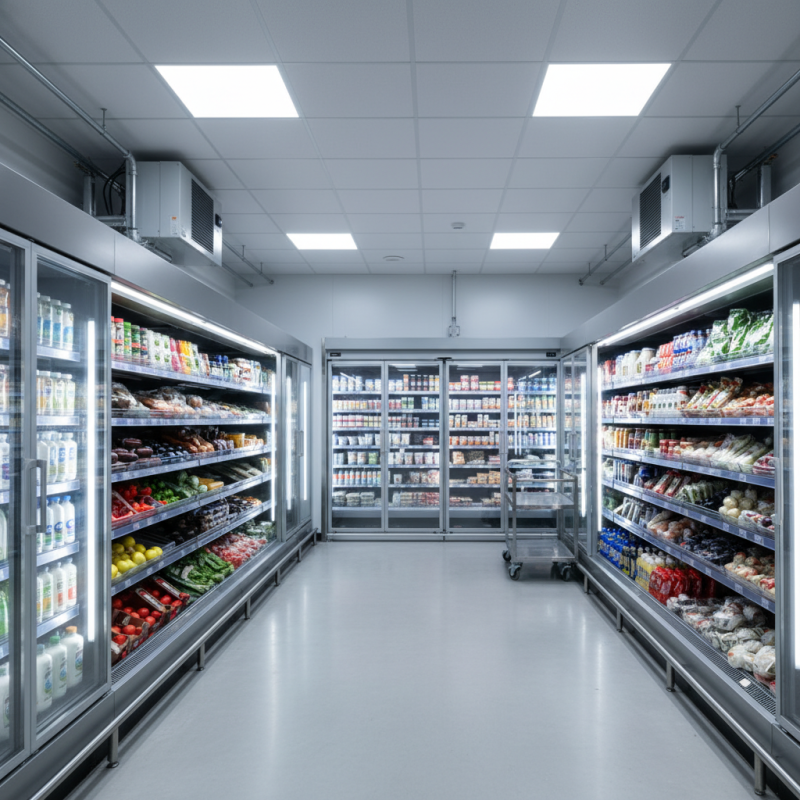
When considering cold rooms for supermarkets, several types cater to specific needs. The most common are walk-in coolers, freezers, and display cases. These spaces help maintain quality and extend shelf life. According to industry reports, adopting proper cold storage can reduce spoilage by up to 30%. Supermarkets that invest in high-efficiency systems often see significant savings on energy costs.
Walk-in cooler systems are ideal for storing bulk items. They usually have adjustable shelving and layout options, giving flexibility in organization. Display cases serve a different purpose, promoting visual appeal while keeping products at optimal temperatures. Many supermarkets also use blast chillers to quickly reduce the temperature of items, preserving freshness.
Tip: Regular maintenance of cold rooms ensures efficiency. Dust buildup on coils can increase energy usage. Check your equipment’s performance frequently to avoid unexpected costs.
Room layout can impact workflow and efficiency. Supermarkets should evaluate traffic patterns when designing cold storage areas. This may reveal improvements or challenges in moving products. A thoughtfully designed space can enhance operational efficiency.
When choosing a cold room for supermarkets, various features must be assessed for optimal performance. Temperature control is crucial. A well-functioning cold room maintains consistent temperatures. Fluctuations can lead to spoilage. Energy efficiency is another key consideration. Look for systems that reduce energy costs without sacrificing cooling performance.
The layout of the cold room should also be practical. Shelving needs to accommodate various product sizes. Proper airflow is essential to ensure even distribution of cold air. This prevents hot spots that may compromise food quality. Additionally, humidity control plays a critical role. It impacts the freshness of produce and dairy items.
Lastly, think about the ease of access. Staff must be able to restock and retrieve items quickly. Poor design can lead to congestion. Consideration of these features can significantly improve operational efficiency. Yet, it’s essential to reassess needs regularly. Merchandising trends change. The cold room should adapt accordingly to meet future demands.
When selecting a cold room for supermarket needs, energy efficiency is crucial. Supermarkets often operate on tight budgets, and energy costs can add up quickly. An energy-efficient cold room significantly reduces electricity bills. The design and insulation of these rooms play a pivotal role. Well-insulated walls and efficient refrigeration systems can lower energy consumption.
Proper placement of the cold room also impacts performance. If located near heat sources, energy use may increase. Balancing location and design is key to maximizing efficiency. It's essential to consider different cooling technologies available in the market. Some systems feature innovative designs that enhance performance.
Regular maintenance should not be overlooked. Neglecting upkeep can lead to increased energy use and potential system failures. Addressing small issues promptly can prevent costly repairs in the future. Reflecting on these points, supermarkets can achieve a more sustainable operation by focusing on energy efficiency in their cold rooms. Small steps can lead to substantial savings over time.
This chart compares the energy efficiency of various cold room models considered ideal for supermarket environments, measured in kWh per day. Lower values indicate better energy efficiency, which is crucial for reducing operational costs.
When designing cold rooms for supermarkets, several key factors must be considered. Temperature control is crucial for preserving food quality. Cold storage should maintain consistent temperatures to prevent spoilage. Proper insulation is essential, as it helps maintain these temperatures efficiently. The layout of the cold room can affect airflow and accessibility. Ensuring that products are easy to reach can streamline operations.
Storage capacity is another critical consideration. Supermarkets often deal with varying volumes of stock. An adaptable storage solution can meet these fluctuating demands. Regular assessment of space usage can optimize storage. Moreover, ease of cleaning is vital. It prevents contamination and ensures compliance with health regulations.
Selecting the right materials for construction is also important. Materials should be durable and easy to maintain. It's not always easy to balance durability and cost. This trade-off can affect long-term efficiency. Regular maintenance schedules and audits are essential to identify areas for improvement. These evaluations can address inefficiencies proactively. Engaging with staff for feedback on the cold room design can also reveal potential issues.
| Dimension | Description | Recommended Size (sq ft) | Temperature Range (°F) | Typical Use |
|---|---|---|---|---|
| Walk-In Coolers | Large storage area for perishable goods. | 500 - 1000 | 32 - 40 | Fruits, vegetables, dairy products. |
| Display Cases | Visually appealing storage for ready-to-eat foods. | 100 - 300 | 34 - 40 | Deli meats, sandwiches, salads. |
| Reach-In Coolers | Convenient access to frequently used items. | 50 - 100 | 32 - 40 | Beverages, snacks, dairy products. |
| Freezers | Long-term storage for frozen goods. | 200 - 500 | 0 - 10 | Frozen meals, ice cream, meats. |
Supermarkets rely heavily on cold rooms to maintain product quality. Ensuring these spaces meet maintenance and safety standards is vital. Regular inspections of temperature controls are essential. An optimal temperature range is crucial to preserve perishable goods. Monitoring humidity levels also plays a significant role. Improper conditions can lead to spoilage and financial loss.
Proper sanitation is another key aspect. Staff must follow strict cleaning protocols. These should include using approved cleaning materials and equipment. Additionally, it's important to train employees on safely handling products. They should understand the risks of cross-contamination. Periodic training sessions help reinforce these practices.
Cold room design needs consideration too. Proper airflow is necessary for even temperature distribution. Neglecting ventilation can create cold spots, affecting stored items. Regular repairs and maintenance of refrigeration units are also required. Breakdowns can lead to significant losses and customer dissatisfaction. Finding solutions is an ongoing process, requiring constant vigilance and adaptation.