Blog

10 Best Alloy Steel Parts Manufacturers for Global Buyers

Alloy Steel Parts are used where strength, wear resistance, and dependable performance matter. You may find them in pump shafts, industrial gears, pressure-system components, and heavy equipment. The right manufacturer can help match an alloy grade and production method to the part’s actual operating conditions. That choice affects more than price. It can influence machining time, service life, and maintenance needs.

This guide introduces 10 manufacturers for global buyers, with practical factors to consider when comparing suppliers. Look for clear information about forging or casting capacity, heat treatment, machining tolerances, and inspection procedures. Ask whether the supplier can provide material test certificates, dimensional reports, and traceability records for the relevant order. Details matter. So do sample approvals, minimum order quantities, lead times, and export packaging that protects machined surfaces during transit. A polished website proves little on its own. Verify claims with documents and direct technical questions.

No single supplier suits every project. A small batch of custom shafts may need a different partner than recurring production of standardized fittings. Buyers should also confirm that quoted specifications match their drawings and intended service conditions. Even careful reviews leave some uncertainty; production quality can vary between orders, and published capabilities do not guarantee a perfect fit. Use this shortlist as a starting point, then assess each manufacturer against your drawings, inspection requirements, and delivery schedule.
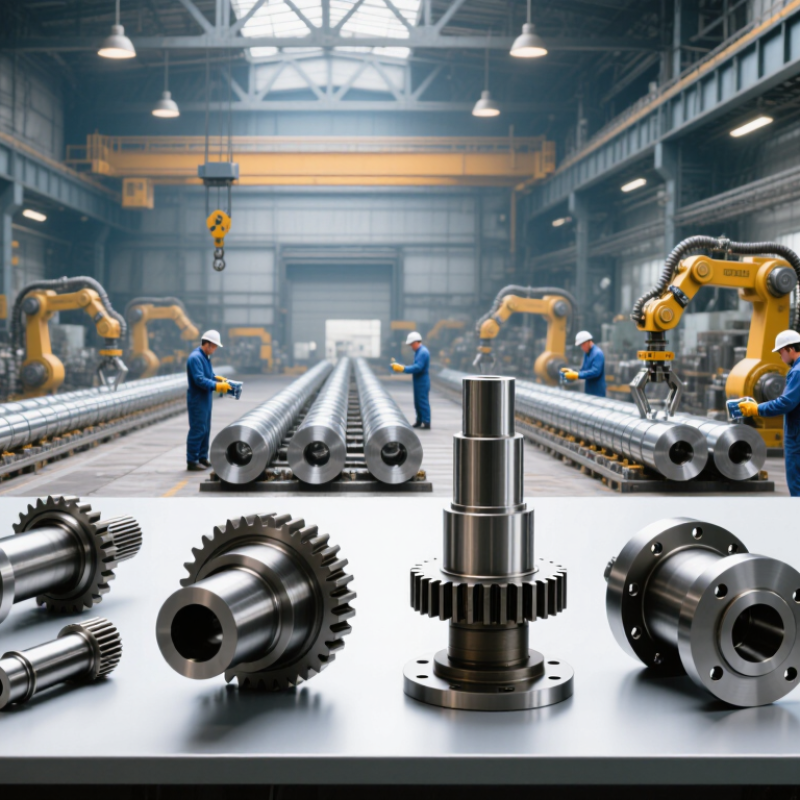
10 Best Alloy Steel Parts Manufacturers for Global Buyers

What Alloy Steel Parts Are and How They Are Used

Alloy steel parts are made from iron blended with elements such as chromium, nickel, or molybdenum. The precise mix and heat treatment affect strength, toughness, wear resistance, and performance at elevated temperatures. A material label alone cannot predict how a part will perform. Geometry, machining quality, surface condition, and service loads matter too. That matters.

These components are used in demanding equipment, including gear shafts, fasteners, hydraulic fittings, and machine-tool spindles. A truck gearbox, for example, may use a heat-treated alloy steel shaft to carry repeated torque. Hardened pins can resist wear where factory equipment pivots under load. Selection should reflect load direction, impact, temperature, lubrication, and expected service life. Buyers should review drawings, tolerances, material certificates, and inspection records with the supplier. Harder is not automatically better. Excessive hardness can reduce toughness, while unsuitable heat treatment may leave a part brittle or dimensionally unstable. Alloy steel is not automatically stainless, either. Assemblies can fail at interfaces, not just within the steel. Specifications help, but they cannot replace testing under representative conditions. A small trial batch may reveal issues that a datasheet misses.

How to Evaluate Alloy Steel Parts Manufacturers

Choosing an alloy steel parts manufacturer takes more than comparing quoted prices. Ask how the supplier controls material chemistry, heat treatment, and dimensional variation across repeat orders. Request test reports linked to the actual production batch, rather than a generic sample. Check that the specified grade, hardness range, and inspection method match your drawing and operating conditions. Small details matter.

Review the production route, including forging or machining steps, heat-treatment records, and final inspection. Ask for a first-article report with measured dimensions, not just a statement that parts passed. If possible, inspect a sample for burrs, surface marks, and fit against a mating component. Look closely. A polished sample can hide inconsistent process control, so ask how later batches are checked. Clear answers should include inspection frequency, measurement equipment, and how out-of-tolerance parts are handled.

Also evaluate communication and delivery discipline. Ask who confirms drawing revisions, how production changes are recorded, and when delays are reported. A capable supplier should explain limitations instead of promising everything. No checklist removes every risk; one successful sample cannot guarantee every future lot. Compare evidence, response quality, and realistic capacity before making a long-term commitment.

Profiles of 10 Alloy Steel Parts Manufacturers for Global Buyers

A forging-focused manufacturer suits buyers needing dense, load-bearing parts such as shafts or flanges. Check its heat-treatment records and dimensional reports. A machining specialist can produce tight-tolerance alloy steel components, including threaded fittings and valve parts. Ask how it controls tool wear across repeat orders. An investment-casting supplier handles complex shapes with less machining, though surface finish may need close review. A foundry with sand-casting capacity may suit larger, less intricate components. Confirm its inspection methods.

A precision forging shop can reduce material waste on high-volume parts. A fabrication-oriented producer may be better for welded assemblies and custom brackets. Verify that welding procedures and post-weld treatment match your drawings. A powder-metallurgy manufacturer offers consistent small components, but buyers should check density requirements. A heat-treatment provider can support hardness and strength targets. Details matter. Request test results tied to the actual production batch.

A tooling-integrated manufacturer can manage dies, prototypes, and production under one roof. This may simplify revisions, but it does not guarantee shorter lead times. An export-focused supplier may offer packaging and shipping coordination for overseas orders. Check communication practices and document accuracy before committing. Across all ten profiles, compare material traceability, sample quality, capacity, and realistic delivery schedules. A polished quotation is useful; it is not proof of reliable production. Even careful buyers can miss a weak point, so review one real part before scaling.

Comparing Manufacturing Capabilities and Quality Standards

Comparing alloy steel parts manufacturers means looking beyond quoted price and catalog breadth. A capable shop should explain its forging, casting, machining, and heat-treatment limits in practical terms. Ask whether it can hold the drawing’s tolerances after hardening, when distortion may appear. Small details matter. Review sample inspection reports for dimensions, hardness, tensile results, and material traceability. Reports should identify test methods and acceptance criteria, not just show a pass stamp. For complex parts, confirm that process controls cover every production stage, from billet receipt to final inspection.

Quality standards are useful only when they match the part’s service conditions and buyer’s specification. Compare calibration records, nonconformance handling, and the frequency of in-process checks, rather than relying on a certificate alone. A supplier may meet a recognized quality system yet need guidance on a new geometry or tighter tolerance. That is worth discussing openly. Request a first-article sample and inspect critical features, surface finish, and fit with mating components. Also compare realistic lead times, batch consistency, and corrective-action records. No checklist removes all risk; even strong systems can miss an ambiguous drawing detail. Clear questions often reveal more than polished sales material.

10 Best Alloy Steel Parts Manufacturers for Global Buyers - Comparing Manufacturing Capabilities and Quality Standards

This is an anonymized supplier-comparison framework, not a ranking of verified companies. The profiles describe common manufacturing specializations; confirm each supplier’s actual equipment, certifications, process scope, and records during qualification.

Anonymous Supplier Profile Typical Manufacturing Focus Relevant Alloy-Steel Scope Quality Checks to Confirm Useful Standards or Records Potential Buyer Fit
Profile 1 — Precision CNC machining Turning, milling, drilling, and finished-part machining Machined components from alloy-steel bar, billet, or forgings Dimensional inspection, material traceability, and hardness checks where specified ISO 9001 certificate scope; material test report; inspection plan; calibration records Buyers needing close-tolerance, machined parts and documented inspection
Profile 2 — Open-die forging Forging larger or lower-volume shapes followed by heat treatment and machining Alloy-steel shafts, rings, blocks, and custom forged blanks Forging records, ultrasonic examination when specified, and mechanical-property testing ASTM A668/A668M may apply to carbon and alloy steel forgings; confirm grade and class requirements Projects involving large sections, custom shapes, or strength-critical forged parts
Profile 3 — Closed-die forging Repeatable near-net-shape forging using dedicated dies High-volume components such as levers, hubs, and connecting parts Die-control records, dimensional checks, defect inspection, and lot traceability ISO 9001; approved control plan; material and heat-treatment documentation Buyers with repeat demand and a business case for dedicated tooling
Profile 4 — Bar-stock and turned-part production Cutting, turning, threading, and secondary machining from steel bar Pins, fastener blanks, shafts, bushings, and other bar-derived parts Incoming-material verification, chemistry review, dimensions, and surface condition ASTM A29/A29M covers general requirements for hot-wrought carbon and alloy steel bars; ASTM A322 covers standard alloy-steel bar grades Buyers sourcing machined parts made from certified alloy-steel bar stock
Profile 5 — Heat-treatment specialist Quenching and tempering, normalizing, annealing, or stress relieving Parts requiring specified hardness, strength, or metallurgical condition Furnace-cycle records, hardness testing, and mechanical tests required by the purchase specification ASTM A434/A434M addresses heat-treated alloy-steel bars; verify the applicable grade, class, and ordered condition Buyers for whom controlled material properties and heat-treatment records are essential
Profile 6 — Seamless mechanical tubing and hollow parts Tube production or sourcing, cutting, machining, and finishing of hollow sections Hollow shafts, sleeves, cylinders, and machined tubular components Wall-thickness and dimensional checks, material verification, and specified nondestructive testing ASTM A519/A519M covers seamless carbon and alloy steel mechanical tubing; confirm grade and delivery condition Buyers needing hollow alloy-steel stock or components made from mechanical tubing
Profile 7 — Automotive production supplier Production machining, forging, or assemblies managed under automotive quality systems Repeat-production alloy-steel components for vehicle applications Risk analysis, process control, change management, traceability, and customer-specific requirements IATF 16949 is an automotive quality management system standard; verify current certification and site scope Automotive buyers requiring supplier quality-system alignment and production controls
Profile 8 — Aerospace-oriented precision supplier Controlled production and inspection for tightly specified components Machined or forged alloy-steel parts when permitted by the design and material specification Configuration control, lot traceability, first-article inspection, and process approval as required AS9100 is an aerospace quality management system standard; confirm certification scope and customer approval requirements Aerospace or defense buyers whose drawings and contracts require aerospace-system controls
Profile 9 — Testing and inspection-focused supplier In-house or coordinated chemical, mechanical, dimensional, and nondestructive testing Alloy-steel parts requiring extensive verification or third-party test evidence Review test methods, equipment calibration, sampling plans, and laboratory accreditation scope ISO/IEC 17025 specifies competence requirements for testing and calibration laboratories; accreditation applies to defined scopes Buyers needing traceable test results and clearly defined inspection coverage
Profile 10 — Integrated custom-parts supplier Coordinated sourcing, forging or machining, heat treatment, finishing, and export documentation Custom alloy-steel parts supplied as finished components or managed assemblies Supplier-control records, process approvals, final inspection, and batch-level traceability ISO 9001; purchase-order-specific material certificates, inspection reports, and subcontractor records Global buyers seeking one point of contact for multiple production stages

Standards are not interchangeable and may not apply to every part. Specify the required steel grade, product form, heat-treatment condition, testing, acceptance criteria, and certification scope in the purchase documents.

Key Considerations for Sourcing Alloy Steel Parts Worldwide

Sourcing alloy steel parts worldwide requires more than comparing unit prices. Buyers should define the grade, heat-treatment condition, dimensional tolerances, and required inspection records before requesting quotations. A drawing that says only “alloy steel” leaves too much room for interpretation. Ask suppliers to identify material specifications and explain how they verify each production batch. For critical dimensions, agree on measurement methods and acceptance limits in advance.

Tips: Request a sample inspection report and confirm whether it covers hardness, chemistry, and dimensions. Check packaging details too; a protected machined surface can arrive scratched after a long sea journey.

Lead time, communication, and corrective-action processes deserve close attention. A low quote may exclude tooling, testing, or export packaging, so compare the full delivered cost. Clarify who pays for rework if parts fail inspection, and how quickly replacement parts can ship. Time-zone gaps can slow decisions. Set a named contact and a practical response window. Keep records of drawing revisions and approvals; one overlooked change can affect an entire batch. Even a careful checklist cannot prevent every delay, but it makes problems easier to identify before production scales up.

Typical Alloying Element Content in Common Alloy Steels

Representative midpoint composition by weight for selected SAE/AISI grades. Use the applicable material standard and mill test certificate to confirm the exact specification when sourcing.

Values are approximate midpoints of commonly specified composition ranges, in weight percent. Blank bars indicate elements not listed in the representative ranges shown.