Blog

Top Benefits of WPC Decking Boards for Global Buyers?

Wpc Decking Boards have gained popularity among global buyers for good reasons. These innovative materials blend wood and plastic, offering unique benefits. Durability is a primary advantage. Unlike traditional wood, WPC boards resist moisture and insects. This longevity appeals to homeowners and builders alike. Their ability to withstand harsh weather makes them ideal for various climates.

Additionally, WPC decking boards are low maintenance. They do not require regular sealing or painting, saving time and money. They are available in a variety of colors and textures, catering to diverse aesthetic preferences.

Yet, it's important to consider some drawbacks. Some users may find initial costs higher compared to wood. Quality can vary significantly among brands. This calls for careful selection and research. Buyers should weigh these factors against the long-term savings and benefits. Overall, the rising trend towards WPC decking boards reflects their practical value in modern outdoor spaces.
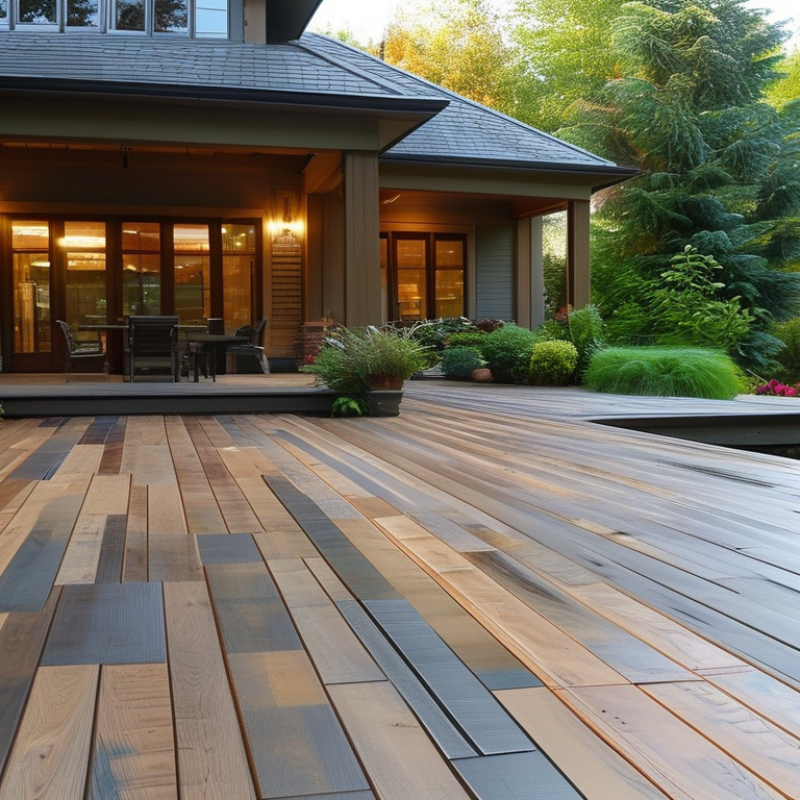
Top Benefits of WPC Decking Boards for Global Buyers?

Understanding WPC Decking Boards and Their Composition

WPC decking boards, made from a composite material of wood fibers and plastic, offer notable advantages for global buyers. The blend creates a resilient product that withstands various weather conditions. According to a report by the Freedonia Group, WPC decking is expected to grow at a compound annual growth rate of 12% from 2021 to 2026. This growth reflects the increasing demand for durable and low-maintenance outdoor solutions.


The composition of WPC decking boards enhances their appeal. The wood fibers provide a natural aesthetic, while the plastic components ensure resistance to moisture and decay. A study by the American Wood Council highlights that WPC products require less maintenance than traditional wood decks, significantly reducing long-term costs for homeowners. However, potential buyers should consider the environmental impact of the plastics used, as this remains a concern in sustainability discussions.


Color retention and fade resistance are also critical factors. The UV protection inherent in quality WPC materials prolongs their lifespan. Studies show that certain compositions can lose color at a slower rate compared to natural wood. Yet, the exact performance can vary based on the specific formulation and exposure conditions. Thus, selecting the right composition is crucial for achieving optimal durability and appearance.

Durability and Weather Resistance of WPC Decking Boards

WPC (Wood-Plastic Composite) decking boards are becoming a popular choice for outdoor spaces. Their durability and weather resistance set them apart from traditional wood options. According to a report by the American Wood Council, WPC decking can last up to 30 years, significantly longer than conventional wood, which typically needs replacement after 10-15 years.

One major advantage of WPC decking is its resistance to moisture. These boards resist rot and decay better than wood. Research indicates that WPC boards can withstand extreme temperatures, ranging from freezing cold to intense heat, making them suitable for various climates. They exhibit less expansion and contraction under temperature changes, which can prevent warping or cracking, common issues with wood.

However, not all WPC products are created equal. Some lower-quality versions may still warp or fade over time. Buyers should carefully consider the composition and manufacturing process. Understanding that WPC is not completely maintenance-free is crucial. Regular cleaning is necessary to preserve its appearance and durability. Being aware of these factors can lead to a more informed choice and enhance the overall longevity of the decking investment.

Top Benefits of WPC Decking Boards for Global Buyers

Benefits Description Durability Rating Weather Resistance
Long-lasting WPC decking is designed to withstand heavy usage and extreme weather conditions. 10-25 years Highly resistant to moisture and UV rays
Low Maintenance Requires minimal upkeep compared to traditional wood. N/A Resistant to mold and splintering
Environmentally Friendly Made from recycled materials, reducing landfill waste. N/A Non-toxic and harmless to wildlife
Aesthetic Appeal Available in various colors and textures that mimic wood. N/A Retains color over time
Safety Slip-resistant surfaces reduce accidents. N/A Resistant to warping and cracking

Cost-Effectiveness of WPC Decking for Global Buyers

WPC decking boards are gaining popularity among global buyers. One significant advantage is their cost-effectiveness. Studies indicate that WPC decking offers a reduced upfront cost compared to traditional hardwood. According to a report by MarketsandMarkets, the global WPC decking market is projected to reach $8 billion by 2025, highlighting the increasing adoption due to economic benefits.

Maintenance costs are another critical factor. WPC decking typically requires less maintenance than wood. Homeowners spend less on stains, sealants, and repairs. A report from the Composite Lumber Manufacturers Association suggests that WPC surfaces can last up to 25 years with minimal upkeep. Customers can save substantially over time, making it a wise investment.

While WPC decking presents many advantages, there are considerations. Not all products are created equal. Variations in quality can lead to issues, such as fading or warping. Buyers should conduct thorough research to find reliable suppliers. Data from Consumer Reports indicates that consumer satisfaction varies significantly based on brand and product composition. Keeping these factors in mind can lead to better purchasing decisions.

Top Benefits of WPC Decking Boards for Global Buyers

This chart illustrates the cost-effectiveness of WPC decking boards compared to traditional wood decking. The data represents estimated costs per square foot and maintenance costs over a 10-year period.

Environmental Sustainability Benefits of WPC Decking

WPC decking boards are gaining popularity for their environmental sustainability benefits. These boards are made from a blend of recycled wood fibers and plastic, reducing waste in landfills. According to a report by the Allied Market Research, the global WPC market is projected to reach $11.9 billion by 2027. This growth is fueled by the increasing demand for eco-friendly alternatives.

Utilizing WPC decking significantly reduces the consumption of natural resources. Unlike traditional wood, WPC does not require deforestation. The production process conserves energy and water, making WPC a greener choice. It is estimated that using WPC can result in up to 50% less energy consumption compared to conventional materials. However, the reliance on certain plastics poses a challenge for some consumers.

WPC decking is also long-lasting, reducing the need for frequent replacements. These boards resist rot, mold, and insects, further decreasing the environmental impact of production and disposal. Yet, concerns about the longevity of some WPC formulations persist. Testing and development continue to improve performance, ensuring these products meet the sustainability expectations of discerning buyers.

Aesthetic Versatility and Design Options of WPC Decking Boards

WPC decking boards offer exceptional aesthetic versatility that appeals to a wide range of design preferences. These boards come in various colors, textures, and finishes, making them suitable for different architectural styles. Whether you prefer a modern look or a rustic charm, WPC decking can be tailored to fit your vision.

When choosing WPC decking, consider the colors that complement your outdoor space. Light colors can create an open and airy feeling, while darker shades provide a cozy, intimate environment. Don’t hesitate to mix and match styles. The beauty of WPC lies in its ability to blend seamlessly with natural elements like stone and wood.

Tips: Always examine samples in different light settings. This helps to reveal how color changes throughout the day. Additionally, think about maintenance. Some finishes hide dirt and scratches better than others, which could affect your long-term satisfaction. Ultimately, letting your personal style shine through in your selection will enhance your outdoor area, making it both functional and visually appealing.