Blog

What is a Ball End Mill and How is it Used?

In the world of machining, the "Ball End Mill" plays a crucial role. Renowned expert, John Smith, once stated, "The right tool makes all the difference." This highlights the significance of choosing the proper equipment for precision work.

A Ball End Mill is designed for complex shapes and detailed work. Its unique rounded tip allows for smooth finishes on intricate surfaces. From creating molds to automotive components, this tool is essential for various industries. Yet, many users overlook its capabilities. They may use flat-end mills, which can lead to subpar results.

Understanding the Ball End Mill's applications can enhance productivity and quality. It can be a game changer for skilled machinists. However, not everyone utilizes this tool effectively. There is always room for improvement, even in experienced hands. Thus, exploring the Ball End Mill offers new possibilities for innovation in machining.
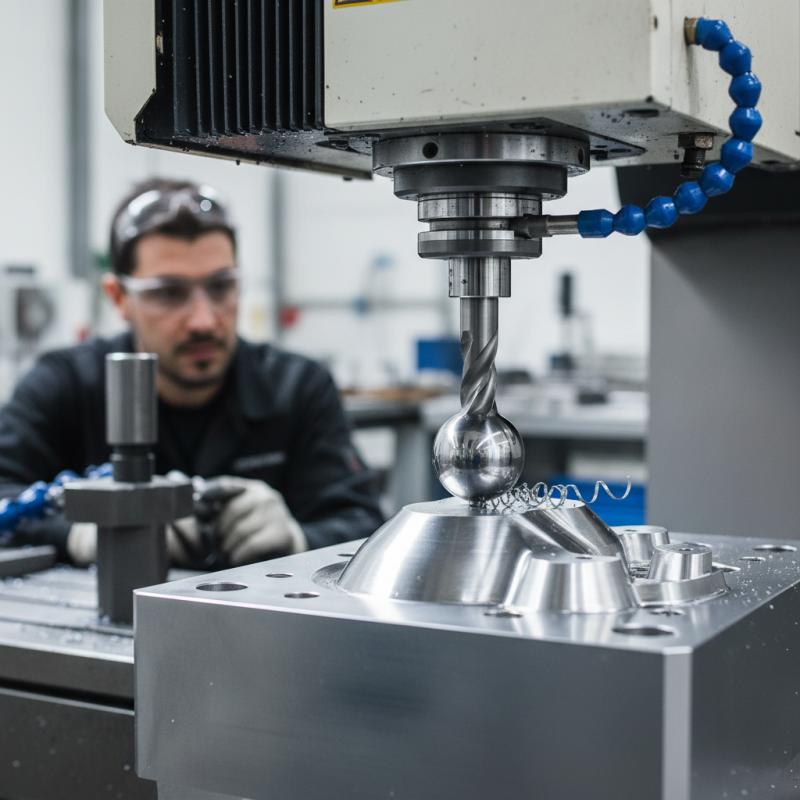
What is a Ball End Mill and How is it Used?

What is a Ball End Mill?

A ball end mill is a type of milling cutter. It features a spherical tip, allowing for intricate designs and 3D contours. This design is essential for creating smooth arcs and rounded edges in various materials. The versatility of a ball end mill makes it popular in industries like aerospace, automotive, and mold-making.

When using a ball end mill, it's important to consider feed rates and RPM. Choosing the right settings prevents tool wear and ensures precision. Incorrect speeds can lead to poor finishes or even tool damage. Regular inspection of the tool is advisable. Even small nicks can affect performance.

The applications for ball end mills are vast. They can create pockets, slots, and other geometries. However, achieving the desired result requires practice. Often, users may find themselves refining their techniques. Learning from mistakes is part of the process. Each project presents unique challenges that encourage growth and expertise.

Key Features and Design of Ball End Mills

Ball end mills are specialized tools used in various machining applications. Their unique design features a hemispherical end that allows for smooth and precise cuts. This shape enables them to create intricate details, curves, and contours on a workpiece. The diameter of the ball end can vary, impacting the depth and accuracy of the cut. Typically, these mills are made from hard materials to withstand wear.

The key feature of a ball end mill is its ability to machine 3D surfaces. This makes it ideal for tasks such as sculpting and designing models. The flutes on the tool help in chip removal, ensuring a clean finish. However, choosing the right size and type of ball end mill can be challenging. It requires experience and knowledge of the material being processed. Using an incorrect tool can lead to poor surface finish or even damage to the workpiece. Reflecting on choices is crucial for better outcomes in machining projects.

Applications of Ball End Mills in Machining

Ball end mills are versatile tools used in machining to create intricate shapes and contours. Their rounded design makes them perfect for carving out detailed features. They are commonly employed in the manufacturing of molds and dies, where precision is key. The radius of the ball end allows for smooth transitions and rounded edges, which is often required in complex geometries.

In addition to mold making, ball end mills are widely used in 3D machining. They excel at producing complex surfaces that flat end mills cannot achieve. For instance, machining curved surfaces in aerospace or automotive components often requires these tools. However, users must pay attention to feed rates and depth of cut. Incorrect settings can lead to poor surface finish or tool damage. Testing and adjustments are essential for achieving optimal results.

Despite their advantages, challenges exist when using ball end mills. Tool wear can be rapid, leading to a need for frequent replacement. Additionally, programming the CNC machine can be tricky, especially for beginners. Mishaps during setup can result in wasted material. Careful measuring and planning are crucial to avoid these pitfalls. Like any machining process, experience and learning play vital roles in mastering ball end mill applications.

Advantages of Using Ball End Mills

Ball end mills are essential tools in machining. They have a rounded end that allows for smooth curves and contours. This design enables precise milling of complex shapes and 3D models, which is crucial in industries like aerospace and automotive. The versatility of ball end mills makes them valuable for various applications, from mold making to intricate engraving.

The advantages of using ball end mills are notable. Their shape facilitates effective material removal, providing a better finish. This results in less need for secondary machining processes. Additionally, they can tackle undercuts that flat end mills struggle with. However, selection is key; using the wrong diameter can lead to inefficiencies. It's important to consider the thickness of the material and the desired detail.

While ball end mills excel in creating organic shapes, they may require careful setup. The depth of cut and feed rate need attention to avoid tool wear. Inexperience can lead to mistakes and wasted time. Overall, ball end mills offer strong performance but come with challenges that necessitate careful planning.

Advantages of Using Ball End Mills

Tips for Selecting and Using Ball End Mills

When selecting a ball end mill, understanding its application is vital. These tools excel in machining curved surfaces and complex geometries. They are ideal for 3D shapes and contours. Choose a diameter that fits your project. Smaller end mills are great for detailed work. Larger ones cover more area, but may miss finer details.

Consider material compatibility. The end mill must match the workpiece material for optimal results. Harder materials require robust end mills. Cutting speed also matters. Adjust your feed rate based on the tool and material type. Experiment with different settings to find the best combination.

Lastly, don’t overlook tool maintenance. A dull end mill can lead to poor finishes and wasted time. Regularly inspect your tools. Replace or sharpen them as needed. Reflection on these practices can lead to improved performance and quality in your projects. Embrace the learning curve; it's part of the journey.

What is a Ball End Mill and How is it Used? - Tips for Selecting and Using Ball End Mills

Feature Description
Definition A ball end mill is a type of milling cutter with a spherical end used for creating three-dimensional curves and complex shapes.
Common Materials Typically used on materials such as aluminum, plastics, and softer metals.
Applications Ideal for machining dies, molds, and parts requiring smooth finishes.
Sizes Available in various diameters ranging from 1/16 inch to several inches.
Cutting Speed Recommended cutting speeds vary depending on material and tool diameter, usually from 100 to 300 SFM.
Feed Rate Feed rates range typically from 0.002 to 0.020 inches per tooth, influenced by material and tool size.
Tips for Use Maintain proper tool speed and feed rate, and avoid excessive wear for optimal performance.