Blog

What is the Aeration Process in Wastewater Treatment?

The Aeration Process In Wastewater Treatment is a vital step in ensuring clean water. This process introduces air into wastewater, promoting the growth of beneficial bacteria. These bacteria help break down harmful pollutants. Effective aeration can drastically improve water quality.

During aeration, oxygen is mixed with wastewater. This creates an environment where microorganisms thrive. These organisms consume organic materials and convert them into harmless substances. The aeration process is crucial for reducing contaminants in water. However, it also requires careful monitoring. Inadequate aeration can lead to inefficiencies.

Many facilities face challenges in the aeration process. Selecting the right aeration system is essential. Not all systems work for every type of wastewater. It is essential to evaluate specific treatment needs. The goal is to achieve optimal performance while minimizing costs. Continuous improvement and adaptation are necessary in this field.
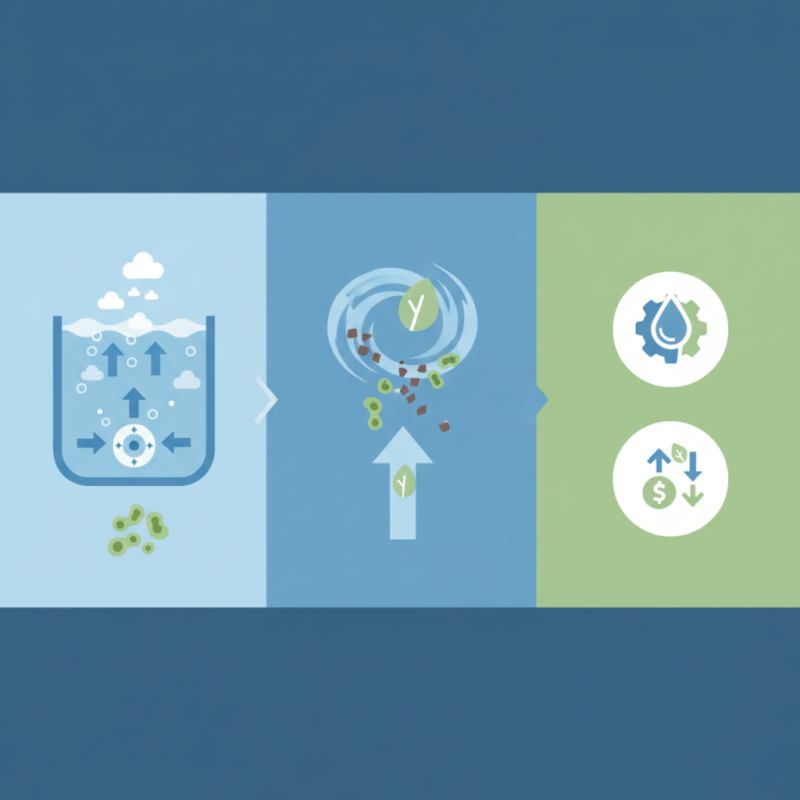
What is the Aeration Process in Wastewater Treatment?

Definition of Aeration in Wastewater Treatment

Aeration is a critical step in wastewater treatment. It involves the introduction of air or oxygen into water. This process promotes the growth of aerobic microorganisms. These tiny organisms break down organic pollutants effectively. The goal is to reduce biochemical oxygen demand (BOD) in the wastewater.

During aeration, bubbles rise through the water. This increases oxygen transfer, improving the efficiency of microbial processes. Different methods, such as surface aerators and diffused aerators, are used. Each has unique advantages and drawbacks. For instance, while surface aerators can be cost-effective, they may release foul odors.

Aeration systems require careful monitoring. Inadequate aeration can lead to incomplete treatment. Over-aeration can waste energy. It's essential to balance oxygen levels to optimize microbial activity. Wastewater treatment facilities strive for efficiency, yet they often face challenges. Understanding these nuances is vital for improving treatment effectiveness.

Importance of Aeration in the Treatment Process

Aeration plays a crucial role in the wastewater treatment process. It introduces oxygen into the water, promoting aerobic microbial activity. This process helps decompose organic matter and contaminants effectively. According to the U.S. Environmental Protection Agency (EPA), approximately 70% of wastewater treatment plants rely on aerobic processes. This statistic highlights the efficiency of aeration in reducing pollutants.

The importance of aeration extends beyond simple treatment. A report from the Water Environment Federation indicates that proper aeration can decrease biochemical oxygen demand (BOD) levels by up to 95%. This reduction significantly enhances water quality before discharge or further treatment. However, not all aeration systems operate optimally. Inefficiencies can lead to inadequate oxygen supply, affecting microbial activity and, ultimately, treatment effectiveness.

Operational challenges exist. Some facilities may face issues like uneven oxygen distribution or mechanical failures. These problems can hinder the effectiveness of the aeration process. Studies show that optimizing aeration can not only improve treatment efficiency but also reduce operational costs. Facilities must monitor and adjust aeration systems regularly to achieve desired outcomes and comply with environmental regulations.

Types of Aeration Techniques Used in Wastewater Treatment

Aeration is essential in wastewater treatment. It enhances the oxygen levels in the water, helping microbes break down organic materials. Various aeration techniques serve different treatment needs. Each technique has unique benefits and limitations.

One popular method is diffused aeration. It uses fine air bubbles to increase the surface area of oxygen transfer. This technique ensures a higher oxygenation efficiency. However, it can require extensive maintenance. Another method, mechanical aeration, relies on surface agitation to mix air and water. Although it is relatively easy to manage, this technique may have a slower oxygen transfer rate.

Moreover, there is also the trickling filter system. In this method, wastewater flows over a bed of media. Microbes on the media do the heavy lifting of decomposition. While effective, performance may vary based on environmental conditions. Each of these methods highlights the complexity of aeration in wastewater treatment. They require an understanding of both water chemistry and biological processes to achieve effective results.

Aeration Techniques in Wastewater Treatment

This bar chart illustrates the oxygen transfer efficiency of various aeration techniques used in wastewater treatment. Fine bubble diffusion is the most efficient, while traveling bridges have the lowest efficiency. Understanding these differences helps in selecting the appropriate aeration method for specific wastewater treatment processes.

Mechanisms of Oxygen Transfer During Aeration

Aeration is a crucial process in wastewater treatment. It involves the transfer of oxygen into wastewater. This process is vital for the survival of aerobic microorganisms. These microorganisms help in the breakdown of organic matter, resulting in cleaner water.

During aeration, oxygen is transferred from air to water. This can occur through various mechanisms, such as splash aeration and bubbling. Splash aeration increases the surface area of water exposed to air. In contrast, bubbling introduces small air bubbles that rise through the water column. Both methods enhance oxygen transfer efficiency, but they also come with challenges.

One common issue is the potential for inefficient oxygen transfer. This can result from factors such as water temperature and turbidity. Higher temperatures often decrease the water's ability to hold oxygen. Turbidity can block oxygen transfer, making it less effective. Therefore, understanding these dynamics is key to optimizing the aeration process. Balancing the oxygen levels in wastewater treatment is an ongoing challenge that requires careful monitoring and adjustment.

What is the Aeration Process in Wastewater Treatment? - Mechanisms of Oxygen Transfer During Aeration

Aeration Method Oxygen Transfer Efficiency (%) Common Applications Advantages Disadvantages
Mechanical Aeration 20 - 30 Activated Sludge Systems High efficiency, reliable Energy intensive, maintenance required
Diffused Aeration 25 - 40 Lagoon Treatment Good mixing, lower energy cost Potential clogging issues
Surface Aeration 15 - 25 Wastewater Lagoons Simple to operate, low cost Less efficient, weather dependent
Nano-bubble Aeration 40 - 70 Advanced Treatment Systems High oxygen transfer, stable Relatively new technology, cost

Impact of Aeration on Microbial Activity and Nutrient Removal

Aeration plays a crucial role in wastewater treatment, particularly in enhancing microbial activity. This process introduces air into wastewater, providing oxygen that supports aerobic bacteria. These microorganisms break down organic matter, making the water cleaner. High microbial activity improves the efficiency of nutrient removal. It leads to better degradation of harmful substances.

Effective aeration processes depend on various factors, including the aeration method used, water temperature, and organic load. Different techniques, such as diffused aeration or mechanical aeration, can yield varying results. Understanding the conditions that favor bacterial growth is essential for optimizing treatment. Under-aeration can lead to insufficient microbial activity, while over-aeration might waste energy and disrupt the ecosystem.

Tip: Regular monitoring of dissolved oxygen levels can help maintain optimal microbial activity. Ensuring the right balance keeps treatment processes efficient and cost-effective. Learning from past operational challenges, such as fluctuations in load and aeration efficiency, can provide valuable insights for continuous improvement. Improving aeration strategies requires ongoing assessment and adaptation to changing conditions in wastewater composition.