
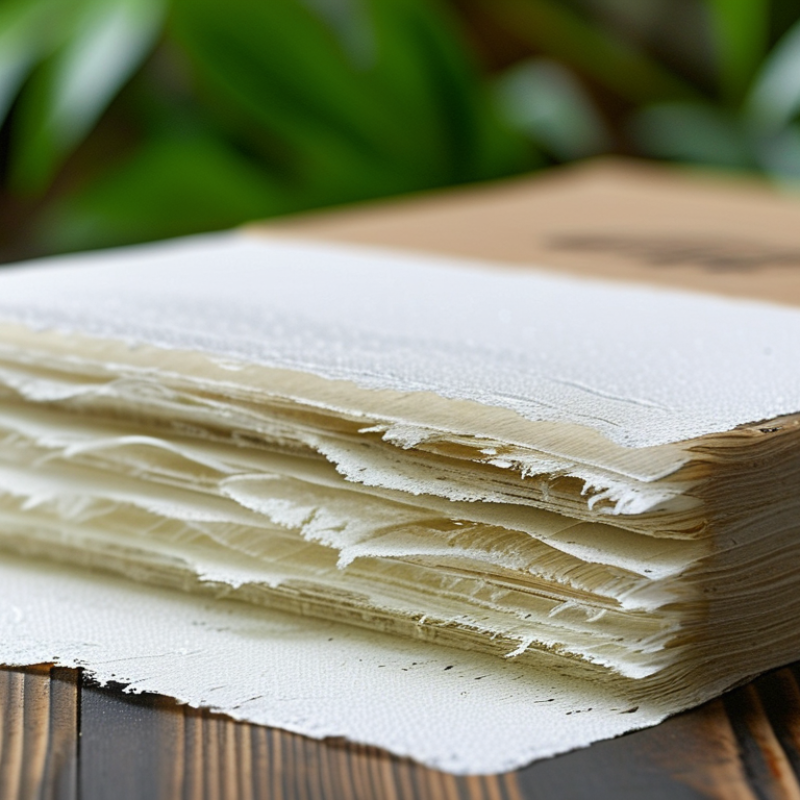
7 Tips for Buying Wood Pulp Filter Paper
Matching the Paper Grade to Your Filtration Purpose
Tip 1: Define the liquid before choosing the paper. Water, solvents, oils, and biological samples need different resistance and flow behavior.
Tip 2: Check the retention rating carefully. A tighter grade captures smaller particles, but filtration may become slower.
Tip 3: Match the paper diameter and shape to your funnel or holder. A poor fit can create bypass paths.
Tip 4: Consider the paper’s wet strength. Wood pulp filter paper can weaken when saturated, especially during long filtration cycles.
Tip 5: Review thickness and porosity together. Thick paper is not always more effective; pore structure matters more.
Tip 6: Confirm chemical compatibility using technical data and a small test. Real samples can behave differently from laboratory water. I have seen unexpected swelling occur.
Tip 7: Choose cleanliness requirements based on the final use. For analytical work, low ash content and controlled manufacturing reduce contamination risks. For routine separation, a standard grade may be sufficient. Also inspect packaging for moisture damage, dust, or crushed edges. Store unused sheets flat and dry. Record the grade, sample type, flow time, and filtrate clarity during testing. These notes support repeatable purchasing decisions. Do not rely on one trial alone. Performance can shift with temperature, suspended solids, and operator handling.