
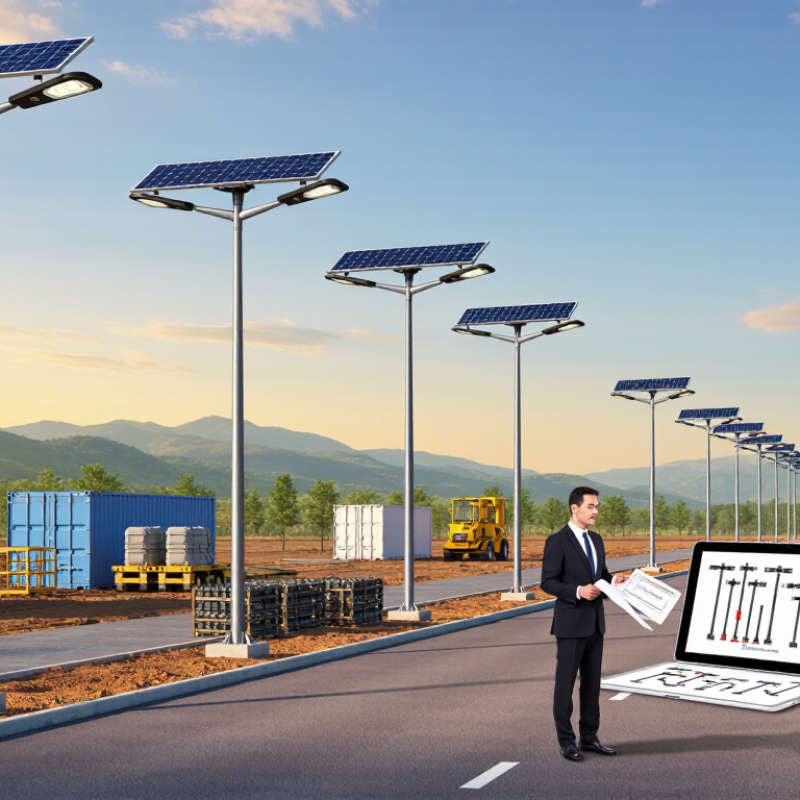
7 Solar Light Pole Buying Tips for Global Buyers
Solar lighting is expanding quickly. The IEA Renewables 2024 report states that solar PV provided about 75% of new renewable capacity added in 2023. For global buyers, growth does not remove procurement risks. Check IP65 or higher for dust-tight housing and water-jet protection. IK08 indicates resistance to a 5-joule impact. These ratings should appear in independent test reports, not only brochures. Request testing against IEC 60598-1 and IEC 60598-2-3 for outdoor luminaires. Also review battery safety documents, photovoltaic certifications, photometric files, and regional grid or lighting requirements.
Tip: Test the sample outdoors. Inspect the cable gland after rain. Ask whether the stated autonomy includes cloudy days, low temperatures, and battery aging. A five-year warranty sounds useful, but confirm coverage for the battery, controller, LED module, labor, and replacement shipping. Warranty exclusions can quietly change the project economics. The IEA also reports continuing declines in solar costs, yet cheaper hardware is not automatically better value.
Calculate total cost of ownership before signing. Include pole foundations, freight, customs, installation, cleaning, software, spare batteries, and failed-unit replacement. Compare lumen output after several operating years, not only initial lumens. Field experience suggests that maintenance access is frequently underestimated. That is a real weakness. A transparent supplier should provide production traceability, quality-control records, and a clear claims process. NREL research on LED roadway lighting also emphasizes lifecycle savings from lower energy use and longer service life, but assumptions must match the actual site. Wind, salt, theft exposure, and winter darkness can change everything.