
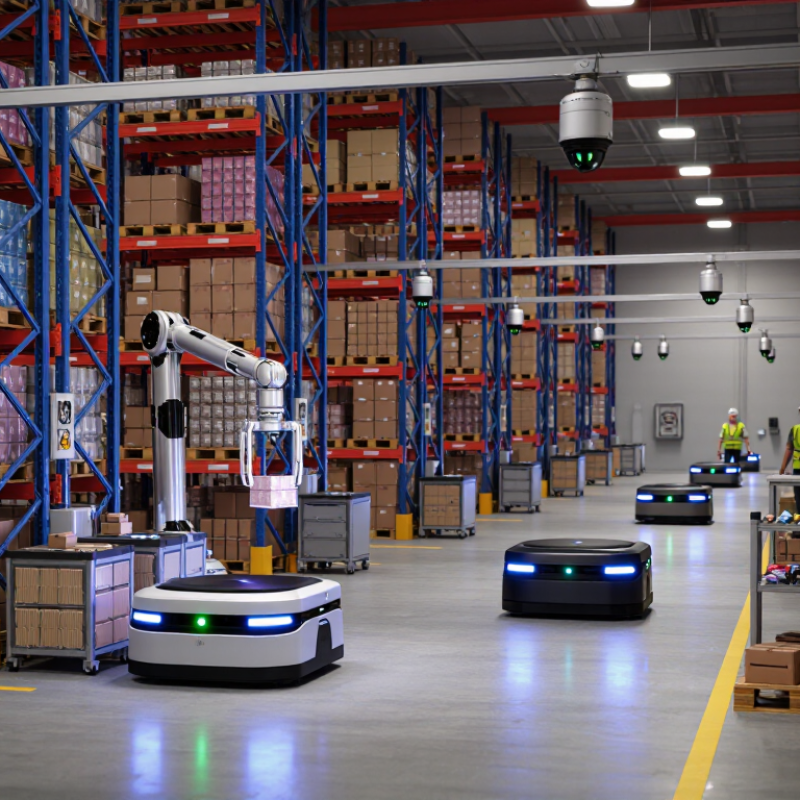
2026 Best Robot Warehouse Picking Systems for Global Buyers
The International Federation of Robotics reported 541,302 industrial robot installations worldwide in 2023. This figure signals strong automation demand, but it does not guarantee a suitable picking system for every warehouse. Buyers should examine order volume, product variation, labor availability, and local service capacity before comparing equipment.
A practical picking cell may include a robotic arm, vision camera, gripper, conveyor, and warehouse software connection. It should identify mixed cartons, handle reflective packaging, and place items without damaging corners. In a live facility, performance also depends on lighting, barcode quality, bin design, and replenishment discipline. Small errors can create large delays during peak shifts.
Speed is only one measurement. Buyers should request data on pick accuracy, recovery time, maintenance intervals, and safe human interaction. Installation training matters, especially where technical support is limited.
A system that performs well in a demonstration may struggle with dusty shelves or irregular products. That assumption can fail. Not always fast. Sometimes reliability deserves priority.
The 541,302-installation figure provides useful market context, yet it should not replace site testing. Global buyers can compare capacity using real order samples, including damaged cartons and difficult shapes. Pilot testing often reveals hidden costs, such as gripper changes, software integration, and operator retraining. These details are easy to overlook.