
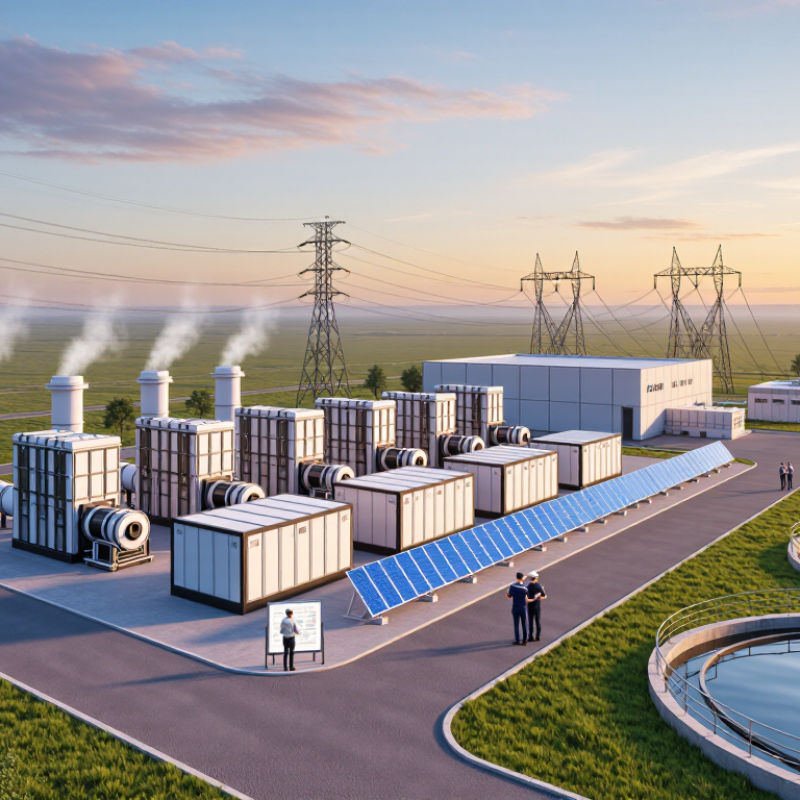
Start with the load, not a headline capacity figure. Review at least 12 months of interval data, including peak demand, overnight use, and seasonal swings. A plant sized only for the average may leave a factory short during a hot afternoon. Oversizing can tie up capital and create export limits. There is a trade-off. Model fuel availability, operating hours, maintenance access, and backup needs. Then test the site: available land, drainage, noise-sensitive neighbors, cooling water, and delivery routes can all change the practical design. Some constraints look minor on paper.
Grid access deserves equal scrutiny. Ask the utility about feeder capacity, fault levels, protection equipment, and likely upgrade costs before selecting equipment. Berkeley Lab’s 2024 Queued Up report found about 2,600 GW of generation and storage projects seeking US grid connections at the end of 2023. Queue capacity is not a forecast of completed projects, but it signals that connection timing can be uncertain. The IEA’s 2023 Electricity Grids and Secure Energy Transitions report says annual grid investment must rise to over $600 billion by 2030 to meet global needs. For a project, request a written interconnection study and test several operating scenarios. Plans change. A site visit with electrical and civil engineers may reveal issues missed in a desktop review. Don’t assume the nearest line has spare capacity.