Blog

2026 Best Forklift Collision Detection System for Safety?

In the fast-paced world of warehousing and logistics, safety is paramount. Forklift operations can present significant risks, leading to collisions that endanger both workers and goods. The introduction of advanced Forklift Collision Detection Systems is a game-changer. These systems utilize cutting-edge technology to enhance safety protocols in busy environments.

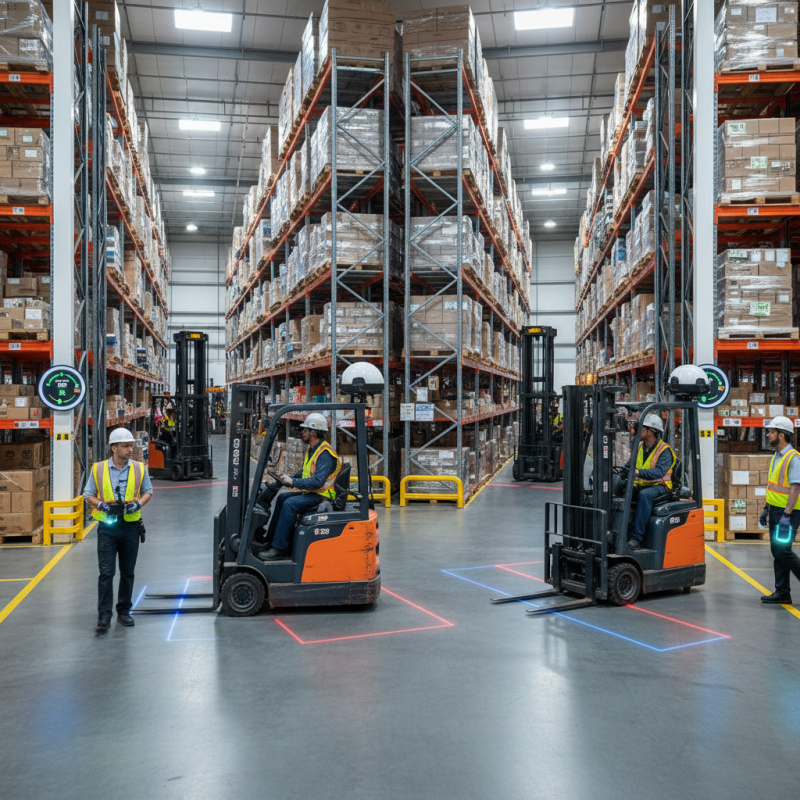
Imagine a busy warehouse where forklifts navigate narrow aisles, often at high speeds. The stakes are high when it comes to preventing accidents. A reliable Forklift Collision Detection System not only reduces the chances of collisions but also fosters a culture of safety within the workplace. Employees feel more secure, knowing that technology aids their well-being while they perform their tasks.

However, implementing such a system is not without challenges. Technological integration requires time and training. Companies sometimes struggle with the initial costs and ongoing maintenance of these systems. Reflecting on these issues can lead to better decision-making. Embracing innovation is crucial, but it must be balanced with practical considerations. Ultimately, the right Forklift Collision Detection System can save lives and boost productivity.
2026 Best Forklift Collision Detection System for Safety?

Overview of Forklift Collision Detection Systems

Forklift collision detection systems are crucial for safety in busy industrial environments. These systems use advanced sensors and technology to reduce the risk of accidents involving forklifts. They can detect nearby obstacles and alert operators instantly. This timely feedback helps prevent collisions and protects both workers and property.

Modern systems typically include radar, cameras, and ultrasonic sensors. They provide real-time monitoring of blind spots. Data from these sensors can be integrated into existing warehouse management systems. However, not all systems are perfect. Some may have limitations in detecting certain objects, especially in complex environments. It's important for companies to assess their specific needs carefully.

Training workers to understand how these systems function is essential. Even the best technology cannot replace human awareness. Regular maintenance is vital to ensure that the sensors operate correctly. Companies should continually evaluate their collision detection strategies. Striving for improvement can lead to a safer work environment.

Key Technologies in Collision Detection for Forklifts

In an industrial environment, forklift collision detection systems are crucial. Such systems can prevent accidents that often lead to injuries and property damage. Reports indicate that nearly 50% of warehouse accidents involve forklifts. This highlights the urgent need for better safety technology.


Several key technologies enhance collision detection for forklifts. These include radar systems, LiDAR, and camera-based solutions. Radar technology uses radio waves to detect obstacles, providing reliability in various weather conditions. Meanwhile, LiDAR offers precise 3D mapping of the environment. It creates a detailed picture that helps avoid collisions. Camera systems analyze video feed in real time to identify potential hazards. Each technology has strengths and weaknesses. For instance, while radar might struggle in heavily crowded spaces, LiDAR excels in clarity.


Implementing these technologies can improve safety outcomes significantly. A study from a leading safety organization revealed that proper collision detection systems could reduce accidents by up to 70%. However, training operators on these systems is equally important. Human error still poses a risk, and understanding how to use equipment is essential. The combination of advanced technology and skilled operators is vital in creating a safer workplace.

Benefits of Implementing Collision Detection Systems

Implementing a robust collision detection system in forklifts greatly enhances workplace safety. These systems can identify and alert operators to potential collisions before they occur. This proactive approach helps prevent accidents, which can lead to injuries or costly damages. Awareness of surroundings is crucial in busy warehouse environments, where forklift traffic is high.

The benefits extend beyond immediate safety. Fewer accidents mean lower insurance premiums and fewer downtime periods. Additionally, companies can foster a culture of safety among employees. Engaging workers in safety practices can improve morale and productivity. A sense of security leads to better focus on tasks.

Challenges exist when implementing such systems. Some employees might resist changes in routine. Training is essential but can be time-consuming and resource-intensive. It's important to evaluate the effectiveness of these systems regularly. Understanding their real-world impact helps fine-tune operations. Adaptation is key, even when faced with setbacks or initial resistance.

Top Features to Look for in 2026 Safety Solutions

As we approach 2026, the demand for advanced forklift collision detection systems is surging. Industry reports indicate that workplace accidents involving forklifts account for nearly 25% of all forklift-related injuries. A robust collision detection system can significantly reduce these incidents. When evaluating safety solutions, certain features should be at the forefront of your consideration.

Look for systems equipped with real-time sensor technology. These sensors can detect nearby obstacles and alert operators through visual or auditory signals. A study published by the Occupational Safety and Health Administration (OSHA) found that real-time alerts can decrease collision rates by 40%. Furthermore, comprehensive data analytics capabilities are essential. By tracking incidents and near-misses, companies can adjust operational protocols and train employees more effectively.

Another crucial feature to consider is ease of integration. Systems should be compatible with existing equipment and software. A 2023 industry survey revealed that 70% of companies faced challenges when implementing new safety technologies. Lastly, ensure that the system allows for regular updates and maintenance. This adaptability can enhance long-term safety and efficiency in dynamic warehouse environments. Ensuring that your collision detection system is equipped with these features can create a safer workplace.

Future Trends in Forklift Safety Technologies

As the logistics industry evolves, forklift safety remains a critical area of focus. Future trends indicate a shift towards advanced collision detection systems, which are set to enhance operational safety significantly. Industry reports suggest that, by 2026, up to 70% of warehouses could implement such technologies to reduce accidents. These systems use sensors and cameras to monitor the environment around forklifts, providing real-time alerts to operators.


Recent studies reveal that businesses using advanced safety technologies can reduce workplace incidents by over 30%. However, the adoption rate of these systems is only about 25% among small to medium-sized enterprises. Many companies hesitate due to costs or a lack of sufficient knowledge about the systems available. This gap highlights the need for better education and support in the industry.


Moreover, the integration of artificial intelligence in collision detection is emerging. AI can learn from previous accidents, constantly improving safety protocols. Yet, this evolution comes with challenges. Training staff to effectively use these technologies can be daunting. The industry's push for safer work environments must prioritize both technology and human factors to create a seamless safety culture.