
10 Tips for Choosing Grounding Accessories
Understanding Grounding Accessories and Their Safety Role
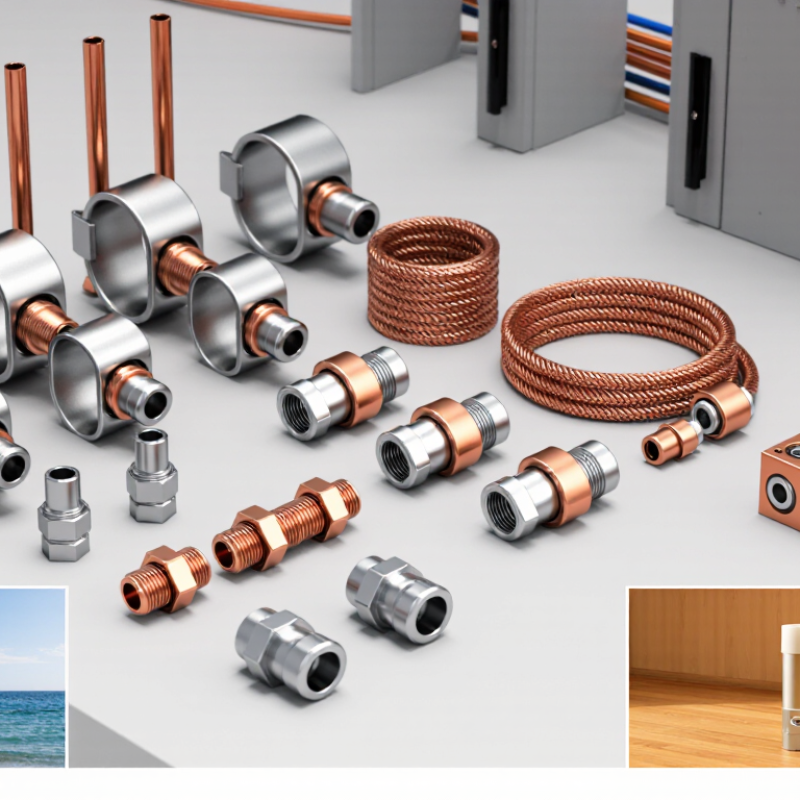
Grounding accessories help direct fault current safely toward earth. They include clamps, bonding jumpers, lugs, grounding bars, and electrode connectors. Each part supports electrical continuity. A loose connection can create heat, sparks, or dangerous touch voltage. Choose accessories made for the conductor material, installation environment, and expected fault conditions. Corrosion resistance matters near soil, moisture, chemicals, and outdoor equipment. Check technical ratings, installation instructions, and applicable electrical codes before purchasing.
Tip 1: Match the connector to the conductor size and type. Copper and aluminum require different contact methods.
Tip 2: Inspect the contact surface. It should be clean, stable, and free from damaging oxidation.
Tip 3: Select hardware suitable for indoor or outdoor exposure.
Tip 4: Confirm that clamps fit the grounding electrode securely. A poor fit may look acceptable but fail during stress.
Tip 5: Use listed components from reliable suppliers, with clear test information and traceable specifications.
Installation quality is equally important. Tighten connections to the manufacturer’s stated torque, not guesswork. Protect buried connections against moisture and soil movement. Keep bonding paths short, direct, and mechanically protected. A qualified electrician should verify continuity and inspect unusual installations. Testing may reveal a hidden weakness. Even experienced workers can overlook one small connection. I would also photograph completed joints before covering them, because later inspection becomes difficult. Safety depends on the entire grounding path, not one impressive-looking accessory.